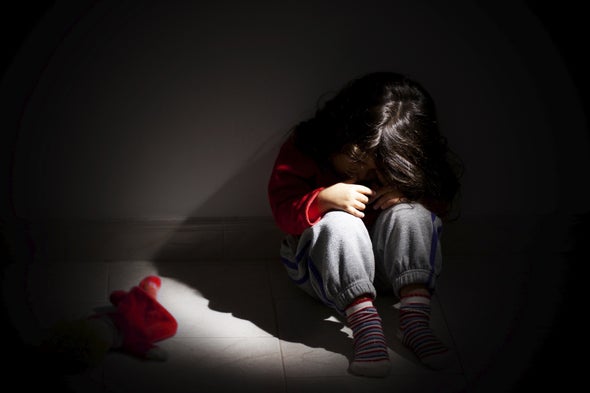
It’s a highly debated topic. To spank or not spank your children. There have been thousands of studies done for over 50 years on the effectiveness of spanking. All of them have concluded that it does little to teach any sort of lesson. In fact, it has quite the opposite effect. Children that have been spanked have much higher levels of aggression and break rules more often than those that aren’t spanked. Children can’t tell the difference between being spanked or being beaten. To them, it’s the same thing. They do not remember the reason for the corporal punishment, just that if they mess up, they are hit. Kids are associating pain with failure. They are learning fear, not trust. They will bottle their emotions and hide things from their parents because they are scared to come forward. They fear being physically hurt because of a poor choice or a mistake.
And yet, despite the overwhelming amount of evidence that explains this as plain as day, parents still mock the research and refuse to believe it. Even though there are no studies (at least nothing I could find) that found spanking to be a positive form or punishment. They often cite that “they were spanked and turned out fine”. I can’t help but laugh at this response. As if someone’s own opinion of themselves should take a higher precedence over half a century of research.
What is it about this research that the pro spankers find so implausible? Why is it refuted without so much as a thought? I think part of the reason they defend it, is because they know they’re wrong. They don’t want to admit how it makes them feel great shame. It’s not a hard concept to understand. When you deal with a problem with anger and aggression, you are also teaching this same behavior. Just because you think you turned out ok, doesn’t mean that every kid had the same outcome. You have to think outside of your own personal experiences and understand that this isn’t just about you and how you turned out.
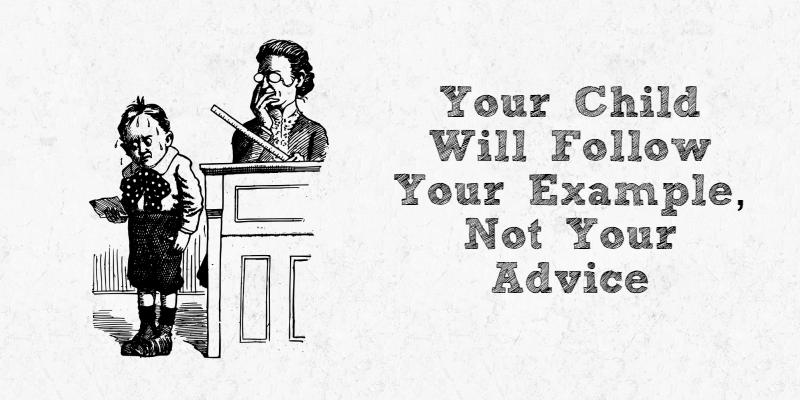
I have not run my own research study by any means, but I have had a few people tell me of their stories. One of them being my wife, who was spanked on a regular basis, often with fly swatters or wooden spoons. One particular time she was punished with a wooden spoon for forgetting her socks at a neighbor’s house. In another instance the person was struck with a switch off of a tree, that she had to pick out herself. No matter how you spin it, this is abuse. The pernicious psychological impact it can have is far greater than the lesson you think you are teaching.
In my opinion, it’s a ridiculous practice that has a high chance of causing problems in your children later in life. I, personally, would feel great shame if I found out that my spanking my kids caused them any sort of distress in their adult life. Whether it be trust and anger issues, or an inability to make friends. We don’t spank or hit anyone else in our lives, so why would you do that to a developing child?
What works for us, is getting down to their level. Talking to them face to face. Explaining how what they did was wrong and then dish out a punishment. Ask them what they could have done differently. Direct them towards making better decisions the next time. We’re supposed to be teaching them how to deal with problems.
When you validate your child’s feelings and name their shame, bringing it to the surface, you instill trust and comfort. You let them know they are human and that it’s ok to make mistakes. That doesn’t mean they don’t deserve to be disciplined. Remember, kids have a hard time expressing themselves. Hell, so do a lot of adults. They get far more irritable when they are hungry or tired. How would spanking a child that is tired, benefit them or you? In the end, they are going to internalize their spanking and then correlate this with whatever emotion they were feeling at the time.
Before we met, my wife admitted that there were a few times that she had spanked her girls. She didn’t know any better because this is how she was raised. She felt awful each time and vowed to not discipline her kids in this manner ever again. She wanted her kids to always trust her, not fear her.

In conclusion, children respond far better to positive reinforcement than they do negative. I’m not saying you reward bad behavior. However, show them how to handle a problem by being a positive force in their life. This doesn’t mean you are raising soft kids. It means that you are teaching them patience and understanding by showing them respect. Afterall, this world is a cruel place. A little more love will go a long way.
With gratitude,
Ryan
As always, I welcome discussion and opinions.
For more information: https://pediatrics.aappublications.org/content/132/5/e1118
 (un)Phased